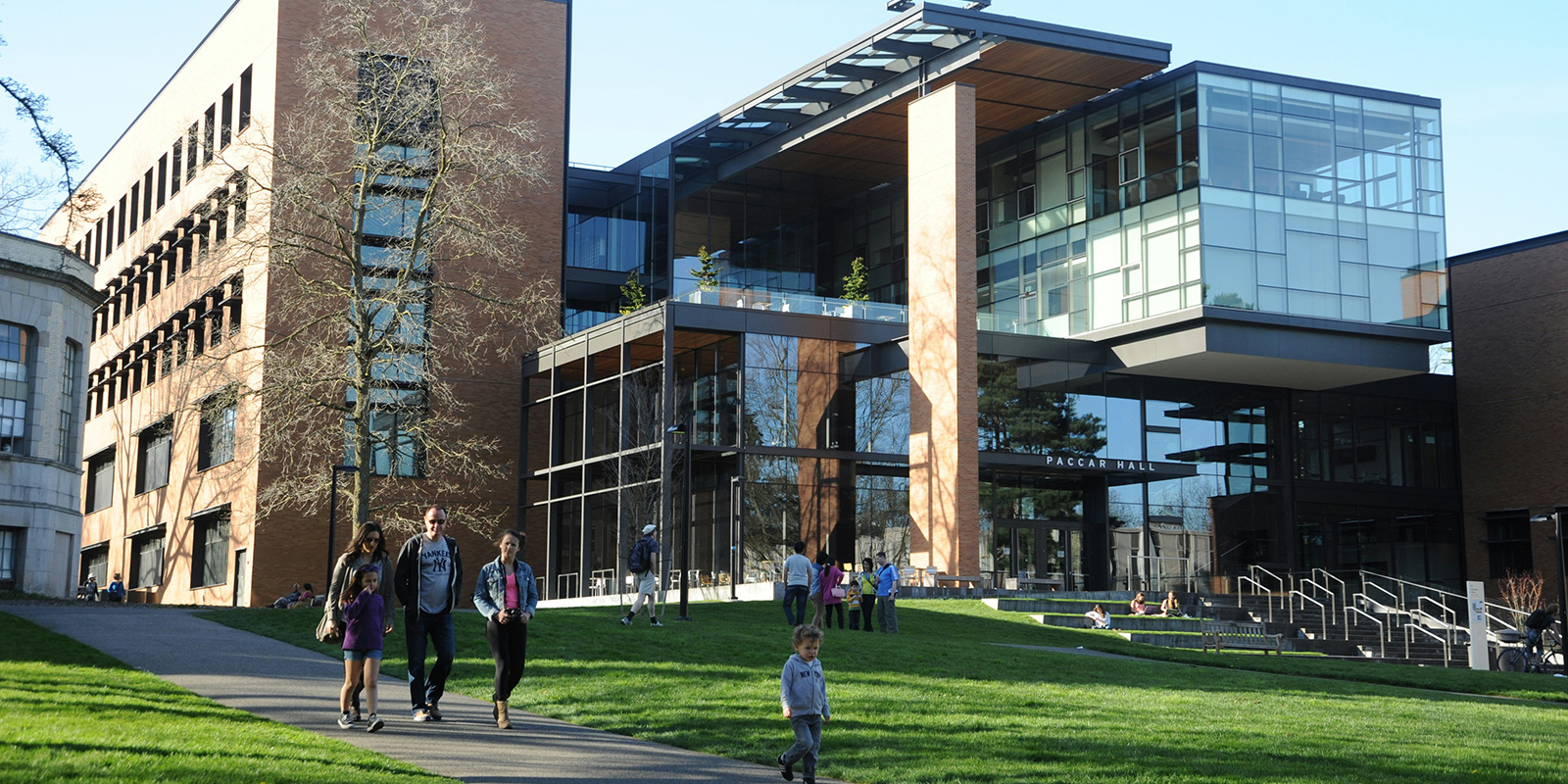
Somewhere in the background, a parent, a counselor, or that one overachieving friend has mentioned “college visits.”

Awesome: you survived sophomore year. The classes got harder, the expectations got higher, and somewhere along the way, someone probably asked you where you want to go to college, as if you’re supposed to have that figured out at 16.
You don’t. And that’s actually a great place to be.
The summer after sophomore year is one of the most underrated windows in all of high school. You’re beyond the adjustment of freshman year, and you’re not yet in the pressure cooker of junior year just yet. Nobody is asking for your college list. Nobody expects a polished résumé. You have genuine freedom to explore, experiment, and figure out what you actually care about.
Here’s how to use it well.
You do not need to cure a disease, launch a nonprofit, or build a startup. If someone is telling you that, they’re wrong, or they might be trying to sell you something.
What you do need is to start developing a sense of who you are outside of school. That sounds abstract, but it’s actually pretty practical. Admissions officers at every selective college will say similar things: the students who are noticeable are the ones who’ve gone deep on something they genuinely care about. And you can’t go deep on something if you haven’t figured out what that something is.
This summer is for figuring it out and optimizing on it.
Not for a grade. Not for an assignment. Just because something looks interesting. Fiction, nonfiction, memoirs, blogs, whatever pulls you in. Students who read widely develop stronger writing, sharper critical thinking, and broader perspectives, all of which show up in college essays and interviews years later.
If you don’t know where to start, ask a teacher, a mentor, or a friend whose taste you trust. Or just browse a bookstore and pick up whatever catches your eye. There’s no wrong answer here.
Working a part-time job, even something as simple as scooping ice cream or shelving books at a library, teaches you things that school doesn’t. You learn how to show up on time, deal with people, manage your time, and handle responsibility outside of an academic setting. These are the experiences that give your college application texture and your personal statement something real to draw from.
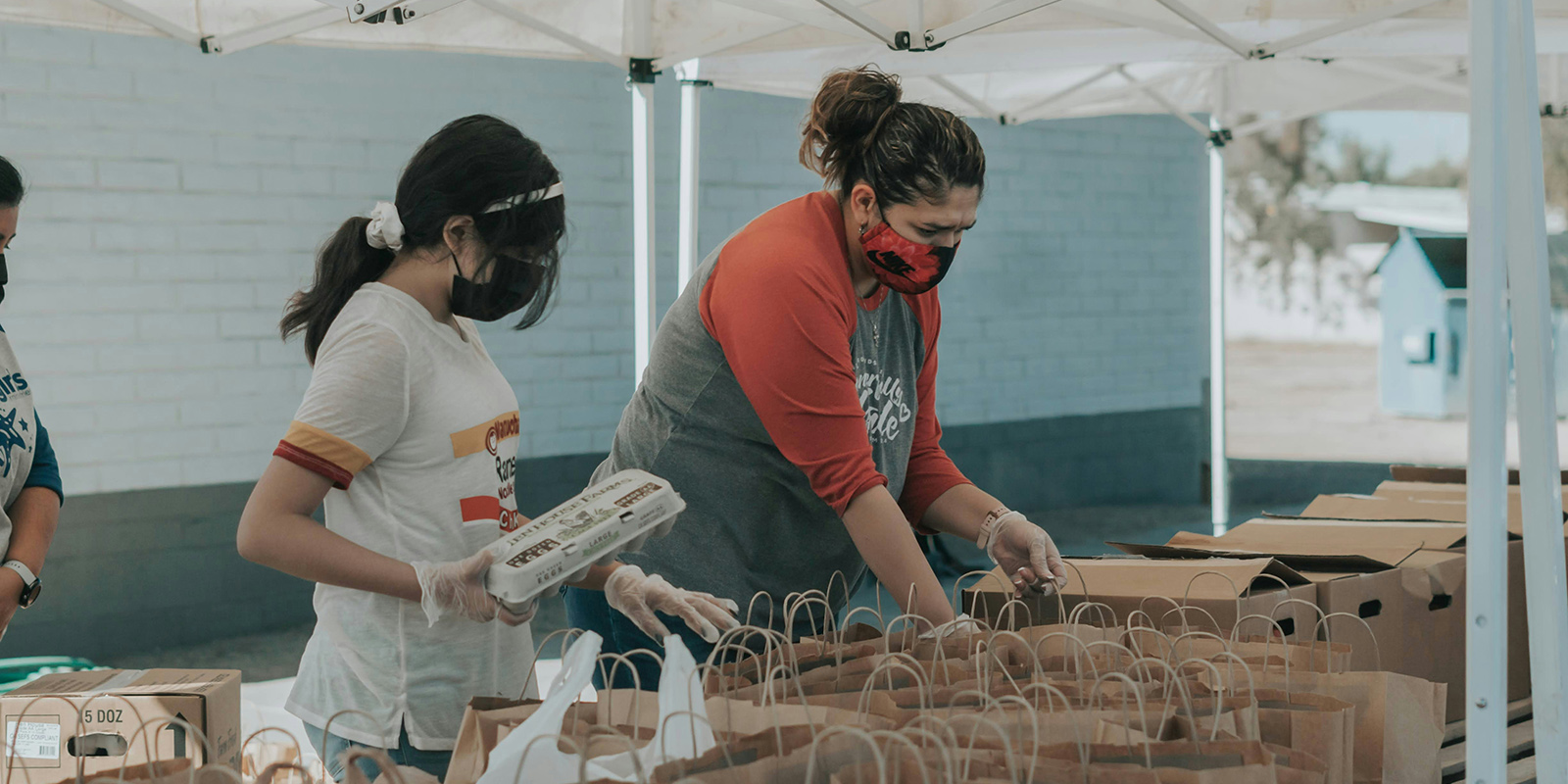
Volunteering works the same way. Find a cause or an organization that connects to something you care about, and commit to it consistently. A summer of regular volunteering at one place is far more meaningful than a handful of one-off events scattered across your resume. Both opportunities could also contribute to or help enhance your potential major interest as well.
Did you love your AP class this year? Hate it? Either answer is useful. If something lit you up, go deeper: read books on the subject, watch lectures online, start a project. If nothing from the school year excited you, try something completely new. Take a free online course through MIT OpenCourseWare, Coursera, or Khan Academy. Learn to code. Try creative writing. Pick up a language.
The goal isn’t to build a credential. The goal is to find out what makes your brain come alive. That knowledge becomes the engine of everything you do in junior and senior year.
This doesn’t have to be world-changing. It just has to be yours. Start a blog about something you’re interested in. Build a website. Record a podcast with friends. Teach yourself to edit video. Design a small research study. Write a short story collection. The format matters less than the initiative.
Personal projects are one of the strongest signals you can send to a college, not because they’re impressive by default, but because they show that you’re the kind of person who’s curious and does things without being told to. That quality, the ability to direct your own learning, is exactly what colleges are looking for.
This is easy to overlook, but it matters. Spend time with your family. Hang out with friends. Have conversations that aren’t about school. Travel if you can, even if it’s just a day trip somewhere new. These experiences shape who you are in ways that don’t show up on a transcript but absolutely show up in the maturity, empathy, and self-awareness you bring to your application.
Not stressing. Thinking. Look at your course options for next year. Talk to your counselor about which classes make sense given your interests and your goals. If you’re planning to take the PSAT in October (which you should, since it could qualify you for National Merit), think about whether some light prep over the summer makes sense.
Having a general sense of what junior year will look like, and walking into it with a plan rather than being surprised by it, will make a real difference in how the year goes.
Just so we’re clear:
Just be curious, engaged, and honest about what interests you. Everything else builds on that foundation.
Admisio is a guided admissions planning platform for families, like TurboTax for college admissions, built to help you navigate the complexity of modern admissions.